Impacted Wisdom Tooth Removal In Menifee
Wisdom teeth are the last molars to come in, usually between the late teens and mid twenties. In many mouths there is simply not enough room. The tooth comes in sideways, only partway, or stays trapped under the gum and bone. That is an impacted wisdom tooth.
An impacted tooth can sit quietly for years, or it can cause trouble. Patients in Menifee usually call us for one of these reasons: swelling or soreness at the back of the jaw, food packing under a gum flap, a bad taste that keeps coming back, pressure against the tooth in front, or an X-ray at a routine checkup that shows a cyst forming around the crown.
When Removal Makes Sense
Dr. Tram Le, DDS takes a panoramic X-ray to see the position of the tooth, the roots and the nerve that runs through the lower jaw. Some wisdom teeth come in straight and can be left alone with regular cleanings. Teeth that are tilted, partially erupted or already causing infection are usually removed before they damage the second molar next to them.
What The Procedure Involves
Impacted wisdom tooth surgery is done under local anesthesia at our Newport Road office. The gum is opened over the tooth, a small amount of bone may be removed, and the tooth is often divided into sections so it comes out with less pressure on the jaw. The site is cleaned and closed with a few stitches. Most visits take under an hour for a single tooth.
Recovery
Swelling peaks around day two or three and settles over the following week. Soft food, cold packs and the pain medicine we recommend handle most of it. Plan on taking the next day off work or school. We check the site at a follow-up visit and remove any stitches that have not dissolved.
Teeth Extractions
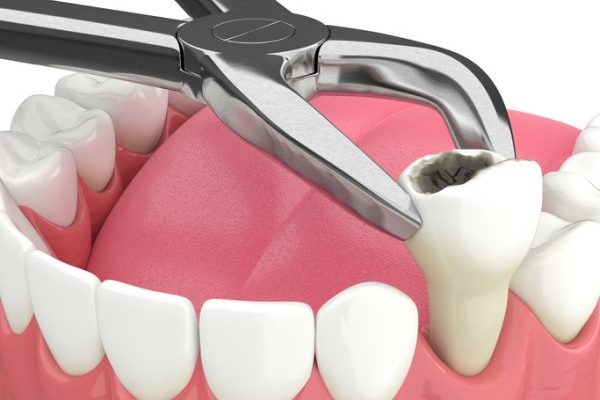
There are five major reasons why you might consider having a tooth extracted:
Tooth Decay
Tooth decay is damage to a tooth’s surface or enamel. This occurs when bacteria in your mouth make acids that attack the enamel. Tooth decay can lead to cavities (dental caries), which are holes in your teeth. Tooth decay left untreated can cause pain, infection, and even tooth loss.
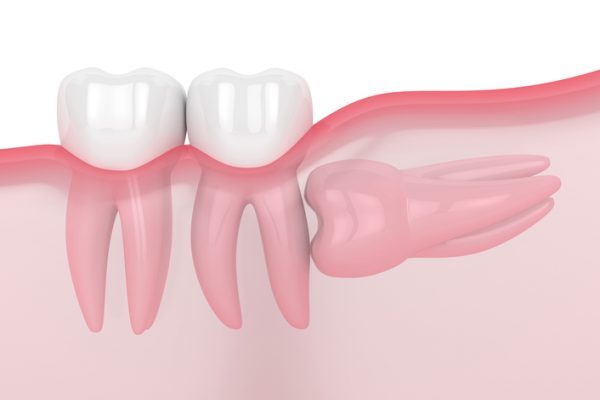
Impaction
Tooth impaction occurs when the growth of one tooth pushes directly against another. The tooth is susceptible to infection, causing red, swollen, tender, or bleeding gums. People often report pain and swelling around the jaw and difficulty opening their mouths as a result of tooth impaction.
Periodontal or Gum Disease
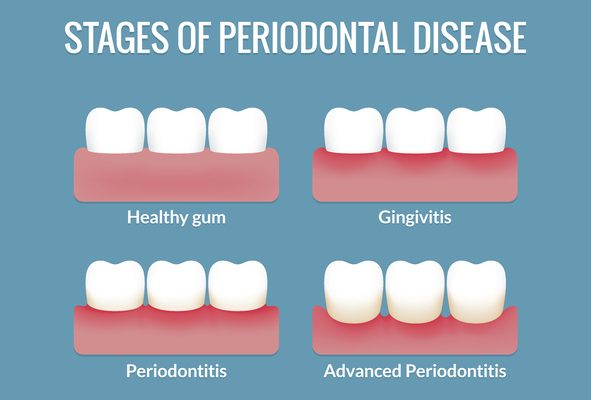
Periodontal (gum disease) is often caused by the build-up of plaque and tartar on the teeth. While there are many different conditions that can develop in the gums and the bone surrounding the teeth, the two most common are gingivitis and periodontitis.
Gingivitis is an inflammation of the gums surrounding the teeth, while periodontitis is the inflammation of the bones and tissues surrounding the teeth.
If the integrity of the bone or gum around the tooth deteriorates, it may be necessary to extract the tooth to preserve the surrounding area.
Trauma
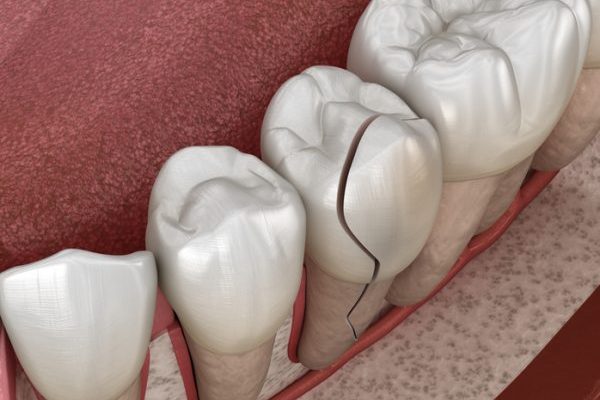
Teeth are often some of the first casualties in an accident. Whether from a flying baseball, falling, or any other occurrences, accidents can be damaging to teeth and their supporting areas.
Sometimes, an accident causes a tooth to become too damaged to save. When this occurs, tooth extraction is a necessary part of the recovery process.
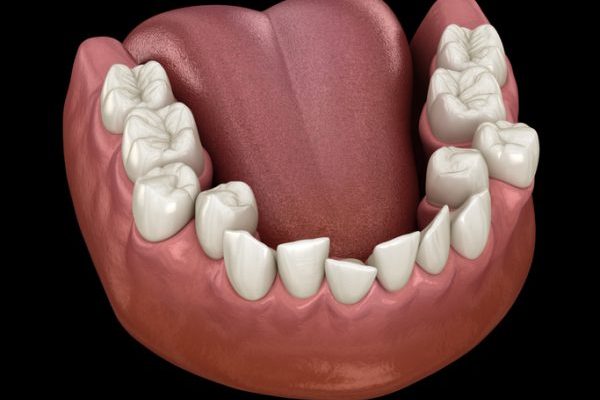
Overcrowding
Aside from pain, tooth impaction can also cause overcrowding of the teeth, which can result in otherwise straight and well-aligned smiles to become crooked. Removing the problematic tooth can open up free space for the rest of the teeth to spread out as needed, preserving your straight smile.
Implants (Placement and Restoration)
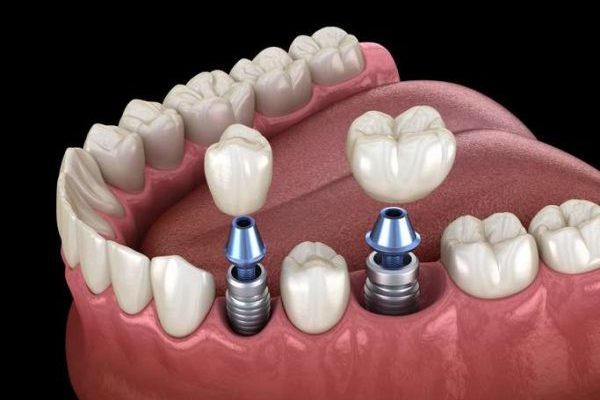
Dental implants are one of the most effective solutions for long-term dental restoration after tooth extraction. This treatment method looks and feels like a natural tooth, with a titanium post that is secured into the jawbone. Dental implants can be used for a single tooth restoration or with bridges or dentures when multiple teeth need to be restored.
Implants prevent dental restorations from slipping around or moving in the mouth.
Typically, dental implants require several appointments. The post is placed in the jawbone. You must wait for the bone to heal around the implant, creating a secure and tight fit to act as the foundation for the dental restoration that will be placed a few months later.
Implant with Sinus Lift
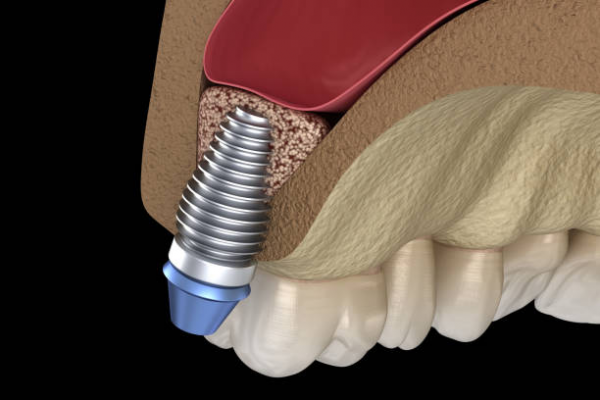
Some people need dental implants but don’t have enough bone support necessary for implants due to bone loss. Bone loss can occur because of tooth loss, resorption of bone, or periodontal disease.
A sinus lift (sinus augmentation) is a surgical procedure that helps to add bone density to the needed areas of the maxilla allowing for a dental implant. The sinus membrane has to be moved upward or “lifted”, a bone graft is added to increase bone volume and an implant is placed to restore the missing tooth area.
All-on-4 and All-on-6 Dental Implants
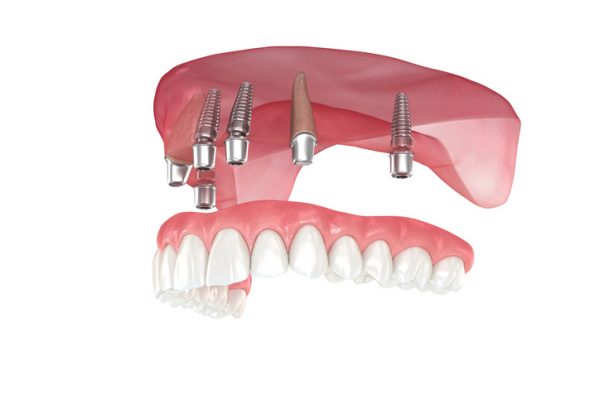
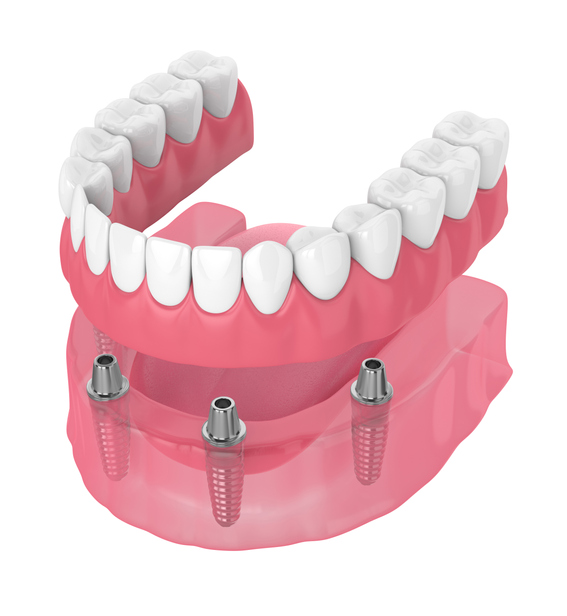
We offer All-on-4 and All-on-6 dental implants to replace an entire arch of teeth. These restorative solutions are ideal for individuals who are missing a whole row of teeth on their top or bottom jaw due to injury, periodontal disease, or other factors. Rather than replacing each one, we can insert four or six titanium posts into your jaw to serve as anchors for a complete set of teeth. These cutting-edge techniques ensure your artificial teeth will remain firmly in place. Over time, the titanium posts will fuse to living bone and create a strong, long-lasting foundation for your realistic-looking, functional tooth replacements.
These treatments can be great options for people who:
1. Have significant tooth loss and require a full arch of replacement teeth.
2. Do not have enough healthy jawbones to support traditional dental implants.
3. Do not want to undergo a bone grafting procedure to rebuild their jawbone.
4. Want a fast and efficient way to replace their missing teeth and enjoy a functional and attractive smile.
5. Are looking for a long-lasting and durable solution to their dental problems.
With All-on-4 or All-on-6 implants, we can provide you with a full set of replacement teeth that look, feel, and function like your natural teeth. The implants are designed to be strong and durable, and with proper care, they can last for many years.